From The Grimoire
Imbolc Altar Ideas: How to Honour Brigid and the Light
Create an Imbolc altar with candles, seasonal colours, herbs and simple symbols of Brigid, renewal and the returning light.
Table of Contents
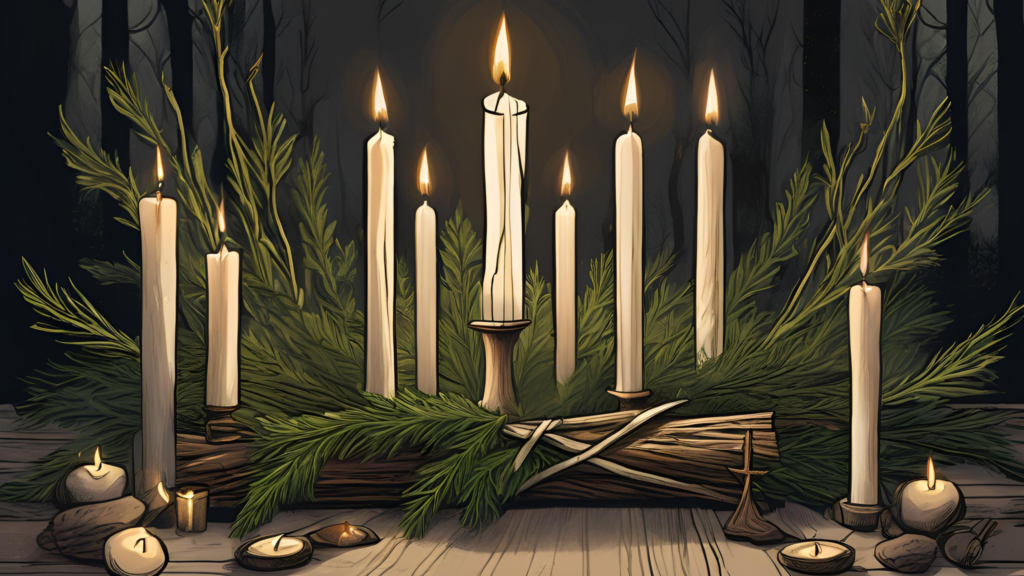
Imbolc altars do not need to look like something out of a glossy witchcraft magazine to feel meaningful.
Honestly, some of the nicest ones I’ve ever seen have just been:
a candle on a windowsill,
a sprig of rosemary in a chipped mug,
a bowl of salt,
and somebody quietly trying to reconnect with themselves after a long miserable winter.
That’s the thing about Imbolc.
It’s not really a dramatic Sabbat. It’s subtle. Quiet. Hopeful in a very soft sort of way. Winter still has a grip on everything, especially here in Lancashire where February tends to look permanently damp and slightly annoyed with itself, but tiny signs of spring begin appearing if you slow down enough to notice them.
The evenings stretch out a little longer.
Birdsong starts up again.
Snowdrops push through muddy ground like stubborn little miracles.
And that’s exactly the sort of energy an Imbolc altar is meant to hold.
Not perfection.
Not aesthetics.
Just a small space dedicated to renewal, warmth and the first returning light.
Why Create an Imbolc Altar?
Imbolc arrives around the 1st or 2nd of February and sits halfway between Yule and Ostara on the Wheel of the Year.
It’s traditionally associated with:
- Brigid
- purification
- creativity
- healing
- fertility
- and the returning sun
But honestly, emotionally, Imbolc feels more like:
finally beginning to wake back up after winter.
That’s why altar work fits this Sabbat so beautifully.
An altar becomes less about “performing witchcraft correctly” and more about creating a space that helps you reconnect with:
- yourself
- the season
- your intentions
- and the gradual return of energy after the darker months
Especially if winter tends to hit your mood hard.
Choosing a Space for Your Altar
Your altar does not need its own dedicated room with dramatic velvet curtains and a suspicious number of antique crow skulls.
A shelf works.
A corner table works.
A windowsill works.
Honestly, half of witchcraft is just quietly putting meaningful objects together somewhere your cat will hopefully leave alone.
Imbolc energy feels especially lovely near:
- candlelight
- windows
- natural greenery
- soft warm colours
- little signs of the season beginning to change
The important thing is that the space feels calming and intentional to you.
Not impressive to strangers online.
Candles and the Returning Light
Candles are probably the most important part of an Imbolc altar.
Imbolc is deeply connected to fire and light, especially through Brigid and her sacred flame. After the heaviness of winter, lighting candles feels symbolic in a way that goes beyond aesthetics.
It’s hopeful.
White candles are especially traditional because they symbolise:
- purification
- peace
- fresh starts
- spiritual cleansing
Gold candles bring in stronger solar energy, while red candles connect beautifully to hearth fire and Brigid’s warmth.
But honestly?
If all you have is a tealight from the cupboard, use the tealight.
No ancient Celtic goddess is standing there judging your candle budget.
Bringing Nature Indoors
Imbolc altars feel especially beautiful when they include small reminders that nature is beginning to wake back up again.
Evergreen sprigs work wonderfully because they symbolise endurance and resilience through winter. Rosemary is lovely too, especially because it connects so strongly to cleansing and protection.
And then there are snowdrops.
Honestly, snowdrops might be one of the most emotionally powerful little flowers in existence.
After months of bare muddy gardens, seeing those tiny white flowers appear can genuinely feel like hope returning in physical form.
If you can safely and ethically gather small seasonal bits from outside, that can make your altar feel far more personal and grounded in your actual landscape too.
Very Lancashire green witch.
Very:
“working with what’s around you”
instead of ordering twenty-seven aesthetic props online.
Honouring Brigid
Many people dedicate their Imbolc altars to Brigid, goddess of:
- healing
- creativity
- sacred fire
- poetry
- fertility
- the hearth
Her energy feels incredibly warm and protective during this time of year.
You might include:
- a Brigid’s Cross
- bowls of water
- handmade crafts
- poetry or journalling
- offerings like milk, honey or bread
- symbols of fire and home
But honestly, one of the nicest ways to honour Brigid is simply through care.
Cleaning your home.
Cooking nourishing food.
Creating warmth.
Making things.
Supporting people.
That all carries her energy beautifully.
I’ll also be diving much deeper into honouring Brigid during Imbolc separately because she deserves more space than a quick mention inside every post.
Crystals, Herbs and Seasonal Correspondences
If you enjoy working with crystals or seasonal correspondences, Imbolc is a lovely time for softer, gentler energy.
Amethyst works beautifully for calm and reflection.
Clear quartz for clarity and renewal.
Citrine for creativity and optimism.
Garnet for warmth and slowly rebuilding motivation after winter.
You absolutely do not need loads though.
One meaningful crystal is enough.
Same with herbs.
Rosemary, lavender, basil and thyme all work beautifully at Imbolc because they connect to cleansing, healing and awakening energy.
You can scatter herbs around candles, place them in bowls or simply keep them nearby while journalling or reflecting quietly.
If correspondences are your thing generally, my Imbolc correspondences guide goes much deeper into the colours, herbs, crystals and symbols connected to this Sabbat.
Your Altar Should Feel Personal
Honestly, this part matters most.
The strongest altars are not the prettiest ones.
They’re the ones that genuinely reflect the person creating them.
You might include:
- handwritten intentions
- favourite tarot cards
- family heirlooms
- a mug of tea
- a notebook
- photos
- seasonal finds from walks
- little objects that simply feel comforting
That’s where the real magic lives.
Not in perfectly colour-coordinated aesthetics.
A Simple Imbolc Candle Ritual
You do not need elaborate rituals to use your altar meaningfully either.
Sometimes the simplest things feel strongest.
Light a candle.
Sit quietly for a few moments.
Think about:
- what you want to nurture
- what needs healing
- what’s slowly beginning to wake back up inside you after winter
Then simply say:
“I welcome the returning light and the growth to come.”
That’s enough.
Truly.
Let Your Altar Change Naturally
One of the nicest things about seasonal altars is that they evolve.
You might add:
- fresh flowers
- new intentions
- little things collected outside
- offerings
- candles
- notes
- seasonal herbs
Imbolc itself is a season of gradual transition, so it makes sense for your altar to shift slowly too.
No pressure.
No perfection.
Just gentle seasonal connection.
Final Thoughts
An Imbolc altar is really just a small space for hope.
A place to pause during the coldest part of the year and remember that:
- light returns
- growth returns
- energy returns
- and you are allowed to begin again slowly too
Especially after difficult winters, emotionally or otherwise.
So whether your altar is elaborate or simply a candle beside a rosemary sprig on the kitchen windowsill, it still carries meaning.
And honestly, I think that matters far more than aesthetics ever will.
Handcrafted Tools