From The Grimoire
The History and Folklore of Mabon
Explore the history and folklore of Mabon, the Autumn Equinox sabbat rooted in harvest traditions, balance, gratitude, and seasonal change.
Table of Contents
The History and Folklore of Mabon
Celebrate the balance of light and dark with a look into the roots of Mabon, the Autumn Equinox sabbat steeped in harvest lore, seasonal change, and ancestral wisdom.
What Is Mabon and Where Does It Come From?
There’s a very particular feeling that arrives around the Autumn Equinox. The evenings suddenly feel cooler. The light changes in a way you can’t quite ignore anymore. The blackberries are mostly gone, the spiders have moved indoors like they pay rent, and somewhere deep in your brain you start craving soup and cardigans.
That’s Mabon energy.
Mabon marks the Autumn Equinox, usually falling between the 21st and 23rd of September in the Northern Hemisphere. It’s the point in the year where day and night sit in perfect balance before the darker half of the year slowly begins to take over.
For modern witches and pagans, Mabon is a time to pause and take stock. To give thanks for what’s grown over the year, whether that’s in the garden, in your home, or inside yourself. It’s also a reminder that rest isn’t laziness. Nature itself is starting to slow down.
The name “Mabon” is actually fairly modern. It was introduced in the 1970s by Aidan Kelly, inspired by Welsh mythology and the figure of Mabon ap Modron, the son of the divine mother. There’s no historical evidence that ancient pagans called the Autumn Equinox “Mabon,” but harvest festivals at this time of year are ancient as anything.
People have always marked the shift into autumn. You’d have to be completely disconnected from the land not to notice it.
Mabon in Ancient Cultures
While the modern name may be new, the themes behind Mabon are incredibly old. Cultures across the world recognised this point in the year as a sacred turning point, a time of gathering, gratitude, and preparation before winter arrived.
The Celts celebrated harvest festivals linked to the equinox, including Alban Elfed, meaning “Light of the Water.” It marked the second harvest and the gradual move toward Samhain and the darker months ahead.
In Greek mythology, the story of Demeter and Persephone reflects the changing seasons beautifully. Persephone’s descent into the underworld mirrors the land itself beginning to retreat inward after summer’s abundance.
The Romans honoured Pomona, goddess of fruit trees, orchards, and cultivated abundance. Apples especially became strongly associated with this season, which honestly still feels fitting now. There’s something deeply autumnal about a bowl of apples on the kitchen side.
Norse traditions held Winter Nights shortly after the equinox, honouring ancestors, spirits, and fertility deities as the colder season approached.
Across all these traditions, there’s a common thread running through them: this was the time people prepared properly. Food got stored. Fires got lit earlier. Homes became more important again. Life naturally shifted inward a bit more.
Even now, most of us still feel it without really thinking about it.
Mabon Themes and Symbolism
Mabon is full of quiet, reflective energy. It isn’t loud like Beltane or bursting with solar energy like Litha. It feels slower. Softer. A little more honest.
The main themes of Mabon include:
Balance
The equinox reminds us that light and dark both exist together. Not as enemies, but as necessary parts of life. Nature doesn’t panic about the darker months arriving, and maybe there’s something in that worth learning from.
Gratitude
Mabon is traditionally a harvest festival, which makes it a lovely time to stop and acknowledge what you’ve actually made it through this year. Not just achievements and productivity, but survival too.
Sometimes getting through the year with your sanity mostly intact deserves celebrating.
Letting Go
Trees don’t cling onto dead leaves forever, and neither should we. Mabon is a powerful time for releasing habits, situations, expectations, or emotional baggage that’s weighing you down.
Ancestral Connection
As autumn deepens and Samhain approaches, many witches begin feeling more drawn toward ancestral work and remembrance. There’s often a natural pull toward reflection at this time of year.
Symbols and Correspondences of Mabon
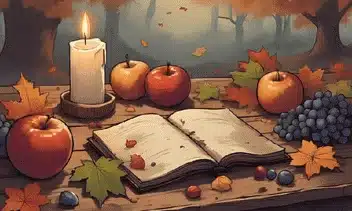
Traditional symbols of Mabon include:
- Apples
- Acorns
- Grapes
- Pomegranates
- Cornucopias
- Autumn leaves
- Vines
- Wheat and grain
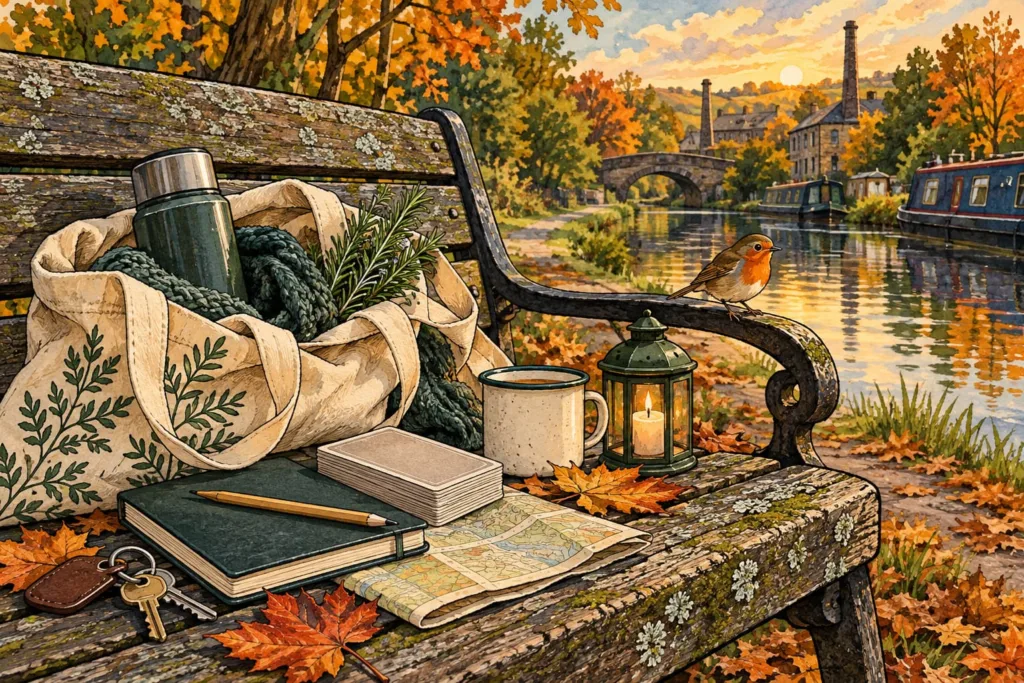
Colours associated with Mabon are usually deep reds, rust orange, gold, brown, plum, and forest green. Think fallen leaves, old woods, mulled cider, and candlelight in the kitchen while it’s hammering it down outside.
How Modern Witches Celebrate Mabon
Modern Mabon celebrations tend to blend old seasonal customs with personal ritual and reflection. And honestly, it doesn’t have to look like an Instagram-perfect altar covered in twelve ethically sourced pumpkins.
Some simple ways witches celebrate Mabon include:
- Creating an autumn altar with candles, leaves, apples, herbs, or seasonal offerings
- Cooking comforting seasonal foods like soups, breads, roast vegetables, and fruit pies
- Writing gratitude lists or journalling about what the year has taught you
- Going for long walks to gather leaves, conkers, acorns, and other little bits of autumn magic
- Lighting candles earlier in the evening as the darker nights begin drawing in
- Doing release rituals to let go of emotional clutter before winter
A lot of Mabon magic is quiet magic. Hearth magic. Home magic. The sort that happens while stirring soup or tidying a room with intention.
That’s still witchcraft.
Some people also choose to honour Mabon ap Modron directly, asking for guidance during periods of transition or reconnecting with parts of themselves they may have lost along the way.
The Legacy of the Harvest
Mabon reminds us that life moves in cycles whether we’re ready for it or not. Nothing blooms forever. Nothing stays productive forever either.
And honestly, that’s probably a good thing.
As summer fades and autumn settles in properly, the equinox invites us to pause for a moment. To look at what we’ve grown. What we’ve survived. What needs carrying forward, and what can finally be left behind.
You don’t need an elaborate ritual to connect with that.
Sometimes it’s just standing in the garden at dusk with a mug of tea, noticing the air smells different now.
And somehow, that counts too.
Want to explore more Mabon magic?
- How to Set Up a Mabon Altar
- 5 Simple Mabon Rituals for the Autumn Equinox
- Mabon Correspondences: Herbs, Crystals & Colours
Handcrafted Tools