From The Grimoire
Tarot for Beginners: Why Tarot Works
Explore why tarot can feel meaningful through symbolism, pattern recognition, intuition and structured self-reflection, without needing to be psychic.
Table of Contents
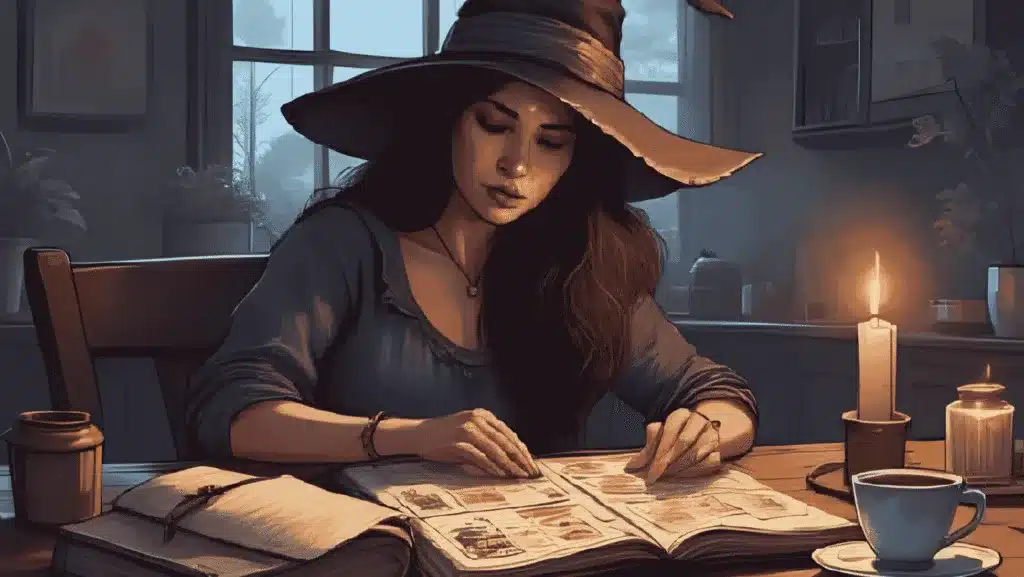
One of the funniest things about tarot is watching people insist it’s “just random cards” right before a reading accidentally drags up the exact emotional issue they’ve been avoiding since approximately 2017.
Funny that.
Because whether you see tarot as:
magic,
psychology,
intuition,
spiritual connection,
or “emotional damage with artwork,”
…the cards have a habit of hitting surprisingly close to home.
And honestly?
Understanding why tarot works doesn’t make it less magical.
If anything, it makes it even more fascinating.
Especially for beginners who worry they need to be:
psychic,
mystical,
or wandering around hearing whispers from the universe every five minutes.
You don’t.
You mostly just need:
curiosity,
self-reflection,
and a willingness to sit with uncomfortable truths occasionally.
Which is admittedly the harder bit.
Tarot Cards Are Mirrors
At its core, tarot works because humans are deeply symbolic creatures.
We look for meaning constantly.
It’s why people can stare meaningfully out of rainy windows while listening to sad music and somehow convince themselves they’re in an indie film.
The tarot taps directly into that symbolic, storytelling part of the brain.
When you pull a card, you naturally start projecting your own experiences onto it.
Take The Fool.
One person sees:
freedom, excitement, adventure.
Another sees:
reckless decisions and a spectacular lack of planning.
Same card.
Different emotional reaction.
Because the card itself acts like a mirror.
Tarot doesn’t usually tell you something completely alien.
It reflects what’s already bubbling around in your subconscious.
Sometimes gently.
Sometimes with all the subtlety of getting emotionally clotheslined by cardboard.
Humans Are Built for Pattern Recognition
Our brains love patterns.
Honestly, sometimes a bit too much.
We’ll connect dots between completely unrelated things if given half a chance.
Tarot uses this brilliantly.
You pull:
The Tower,
The Star,
and The Magician…
…and suddenly your brain starts weaving a story.
Maybe:
something in your life is falling apart,
but it’s forcing you to rebuild differently,
and eventually leading you toward healing and confidence.
The cards themselves don’t force that meaning onto you.
Your brain creates the narrative.
And weirdly?
That’s often where the insight happens.
Because storytelling helps us process emotions.
Humans have literally been doing this around fires for thousands of years.
Now we just do it with tarot decks and iced coffee instead.
The Cards Feel Personal Because You Make Them Personal
This is where psychology comes in.
Tarot meanings are usually broad enough that most people can relate to them somehow.
For example:
- endings
- transformation
- heartbreak
- hope
- uncertainty
- confidence
- grief
- new beginnings
Honestly?
That’s basically the entire human experience.
So when you pull a card like Death, your brain naturally searches:
“Where is transformation happening in my life?”
That doesn’t mean the cards are fake.
It means they’re designed to trigger reflection.
The cards hand you a theme.
You provide the context.
And together?
That creates meaning.
Intuition Is Doing More Than You Think
Ever had that weird feeling where you knew which card to pull?
That’s intuition.
Or psychologically speaking:
your subconscious mind quietly nudging your conscious brain.
Your subconscious notices things constantly:
- emotional patterns
- stress
- behaviour shifts
- tensions
- desires
- fears
…long before your conscious mind catches up.
Tarot gives those quieter inner thoughts a language.
Which is why readings can feel oddly accurate.
Sometimes the cards don’t predict the future so much as:
highlight what you already know deep down but haven’t admitted to yourself yet.
Which can be:
helpful,
healing,
or occasionally extremely rude.
Tarot Is Basically Structured Self-Reflection
Honestly?
Tarot can function as a structured prompt for self-reflection.
Not a replacement for actual therapy obviously.
Please still seek real support if you need it.
But tarot does encourage:
- reflection
- emotional honesty
- introspection
- pattern recognition
- self-awareness
Those can all be useful reflective practices.
A lot of beginner readers panic about:
“getting the meaning wrong.”
But that’s not really the point.
If the card sparks insight, clarity, or useful reflection…
then the reading has already done its job.
Even if you never memorise all 78 meanings perfectly.
Which is good news because half of us are still looking up Minor Arcana meanings after years of practice.
So… Is Tarot Psychological or Magical?
Honestly?
For me, it’s both.
I think tarot sits in that fascinating space where:
psychology,
symbolism,
ritual,
intuition,
and spirituality all overlap.
The ritual matters.
The symbolism matters.
Your subconscious matters.
And if you believe spirit, ancestors, guides, or the universe nudge things along occasionally?
Well.
That can coexist too.
Magic and psychology aren’t enemies.
Sometimes they’re just two different ways of describing the same deeply human experience.
Tarot for Beginners: You Don’t Need to Be Psychic
This is probably the biggest thing beginners need to hear.
You do not need to:
- predict lottery numbers
- hear mystical voices
- float six inches above the floor
- own seventeen velvet cloaks
You just need to:
pay attention,
stay curious,
and trust your own interpretations more than you think you should.
Tarot is a conversation.
Not an exam.
And honestly?
Readings often feel more natural when you stop treating tarot like an exam.
Final Thoughts
Tarot works because humans are symbolic, emotional, intuitive creatures.
The cards help us:
see patterns,
explore emotions,
process experiences,
and connect with ourselves more honestly.
Whether you call that:
psychology,
intuition,
magic,
or all three together…
…the result is still meaningful.
Because sometimes what we really need isn’t somebody predicting our future.
It’s something that helps us finally look clearly at the life we’re already living.
And occasionally calls us out on our nonsense a little bit too.
Which, frankly, tarot is extremely good at.
Handcrafted Tools