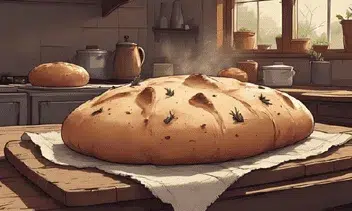
There’s something deeply comforting about baking bread when the seasons start turning.
Not in a Pinterest cottagecore sort of way either. I mean properly comforting. Flour on the worktop. Rosemary stuck to your sleeve somehow. The kitchen warm for once instead of vaguely damp in that uniquely British way where even the walls seem slightly fed up.
Lammas always feels like the beginning of that shift to me.
The light changes.
The evenings soften.
The blackberries appear.
Suddenly everybody’s talking about soups again despite it still technically being summer.
And bread just fits this sabbat perfectly.
Lammas, or Lughnasadh, is the first harvest festival on the Wheel of the Year. Traditionally it’s about grain, gratitude, survival, and recognising what’s finally beginning to grow after months of effort. Which honestly feels very relatable if you’ve spent the year juggling work, family, exhaustion, and trying not to lose your mind every time somebody asks what’s for tea again.
Bread has always carried magic.
Not dramatic sparkly fantasy magic.
Real magic.
The sort passed down quietly through kitchens and family tables. The kind made with tired hands and simple ingredients and a hope that everyone leaves the table fed, safe, and alright.
That’s kitchen witchcraft at its heart.
And this focaccia? It absolutely belongs on a Lammas table.
Why Bread Matters at Lammas
Lammas is the grain harvest.
Historically, communities baked bread from the first harvested wheat as both celebration and offering. Bread represented survival. Nourishment. The hope that there’d be enough to carry everyone through the darker half of the year.
Which gives focaccia a sort of accidental perfection here.
Golden crust.
Soft centre.
Olive oil soaking into warm bread.
Rosemary scent filling the kitchen.
Honestly, if comfort had a smell, it’d probably be fresh bread and herbs.
This version uses:
- rosemary for remembrance and protection
- red onion for strength and honesty
- olive oil for healing and peace
- salt for grounding and protection
Simple ingredients.
Big energy.
Very witchcraft.
Red Onion & Rosemary Focaccia Recipe
Ingredients
For the Dough
- 1 batch white bread dough
- 5 tablespoons olive oil
- Pinch of sea salt
For the Topping
Step One: Make the Dough
Use your favourite bread dough recipe.
Nothing fancy needed here.
Honestly, some of the most magical food you’ll ever make looks deeply unimpressive halfway through. Dough especially. It always starts off looking slightly concerning before suddenly becoming bread through what honestly feels suspiciously close to alchemy.
Add:
- 2 tablespoons olive oil
- small pinch of salt
Then knead.
And this is where the magic sneaks in.
There’s something beautifully grounding about kneading dough with intention. The repetitive movement settles your brain a bit. Gives your hands something purposeful to do while the rest of the world carries on being chaotic.
As you knead, think about:
- what you’ve built this year
- what’s finally growing
- what you’re grateful for
- what you want more of
Or just swear quietly about your week while punching bread dough.
Also valid.
Let the dough rise somewhere warm.
Which in Lancashire usually means balancing it near the radiator and hoping for the best.
Step Two: Cook the Onions
Gently soften the sliced red onions in:
- 1 tablespoon olive oil
Cook for around 5 minutes.
You’re not trying to brown them fully. Just soften them until they turn sweet and glossy and your kitchen starts smelling faintly incredible.
Red onion has such lovely energy in kitchen witchcraft too. Protective. Honest. Strong without being aggressive.
Bit like northern women, really.
Step Three: Shape the Dough
Once risen, knock the dough back gently.
Stretch it into an oiled Swiss roll tin or baking tray around:
- 25cm x 35cm
Don’t worry about perfection.
Focaccia is wonderfully forgiving. It’s basically the “that’ll do” of the bread world.
Leave it to prove again for about 20 minutes while the oven heats.
Step Four: Add the Toppings
Preheat oven to:
- 200°C
- 180°C fan
- Gas Mark 6
Scatter over:
- softened onions
- rosemary sprigs
Then comes the best bit.
Press your fingers into the dough to make little dimples.
Officially this helps the oil settle properly.
Unofficially it’s the perfect moment to press intentions into the bread itself.
Protection.
Comfort.
Abundance.
Peace.
Enoughness.
Drizzle over the remaining olive oil and sprinkle with sea salt flakes.
Step Five: Bake
Bake for around:
- 30 minutes
The focaccia should become:
- golden
- crisp-edged
- deeply fragrant
The smell alone feels like a blessing.
Warm rosemary.
Sweet onion.
Fresh bread.
Honestly if somebody bottled this scent I’d wear it permanently.
A Little Lammas Kitchen Magic
You don’t need elaborate rituals here.
The baking is the ritual.
Still, if you want to lean into the sabbat energy:
- light a candle while the bread bakes
- write down what you’re harvesting in life right now
- say thank you for something that’s grown this year
- offer the first piece mentally to the land, the season, or your ancestors
Or simply stand in the kitchen eating warm focaccia while staring out at the rain feeling oddly emotional for no clear reason.
Classic Lammas behaviour.
Serving Suggestions
This focaccia is gorgeous:
- warm with butter
- alongside soup
- with cheeses and olives
- as part of a Lammas feast
- torn apart with your hands standing in the kitchen because you “just wanted to test it”
Which somehow becomes half the tray.
No judgement here.
Final Thoughts
I think food becomes magical the moment we make it intentionally.
Not because it’s complicated.
Not because it’s aesthetic.
Not because Instagram would approve.
Because we slow down long enough to notice it.
Bread especially carries that old, ancient kind of magic. The kind humans have shared around fires and kitchen tables for thousands of years.
At Lammas, baking bread reminds us:
- we survived another season
- things are growing even if slowly
- nourishment matters
- small rituals count
And honestly? Sometimes making focaccia while muttering blessings over rosemary is exactly the sort of therapy adulthood requires.