From The Grimoire
Eclectic Witchcraft for Beginners: Build a Practice That Fits You
A grounded beginner guide to eclectic witchcraft: what it means, how to choose open sources and how to build a personal practice with care.
Table of Contents

Eclectic witchcraft is a personal practice built thoughtfully from more than one open source, rather than following a single named tradition. It can be a lovely fit if you are curious about several approaches and want room to learn at your own pace.
It does not mean “anything goes”. A useful eclectic practice still needs context, ethics and the confidence to say, “that is not mine to use.” Think of it as building your own hearth: choose what is solid, know where it came from and do not nick the bricks from someone else’s house.
This guide is for beginners who want a calm, practical place to start.
What Is Eclectic Witchcraft?
An eclectic witch does not follow one fixed religious or magical tradition. Instead, they create a personal practice from ideas, methods and customs that have genuinely resonated with them over time. That might include seasonal observance, local folklore, gardening, candle magic, tarot, meditation, kitchen magic or devotional practice.
There is no universal checklist for being eclectic. Some eclectic witches are Pagan; some are secular; some honour deities and some do not. The shared idea is intention: you are choosing your approach deliberately rather than trying to squeeze yourself into a path that does not fit.
“Eclectic” describes how you are learning and combining things. It does not remove the need to understand their origins.
Eclectic Does Not Mean Random
It is tempting, especially online, to imagine eclectic witchcraft as a big pick-and-mix. A crystal here, a candle colour there, three dramatic words from a video and away you go. That usually leaves people feeling overwhelmed rather than empowered.
A grounded eclectic practice has a few simple threads running through it: what you value, what you believe, what feels useful in your everyday life and what you have learned carefully. You do not need to make every practice match perfectly, but it helps to know why you are doing something and where the idea came from.
Start with fewer things, not more. Depth is much more useful than a cupboard full of tools you feel obliged to use.
Why Eclectic Witchcraft Appeals to Beginners
Many beginners are drawn to eclectic witchcraft because they are interested in more than one path. You might love seasonal rituals but not want a formal religion. You might be fascinated by herbs, folklore and moon phases, while still working out what you think about spirits or deities. That is all perfectly normal.
Eclectic practice gives you time. You can learn, try small things, take notes and change your mind without feeling as though you have failed an exam nobody actually set.
It can also be a sensible place to begin if you are still learning the difference between open practices, closed traditions, religion, culture and witchcraft. Curiosity is good; rushing to claim an identity is rarely necessary.
Begin with Your Own Foundations
Before looking for the “right” spell or correspondence, spend a little time on the questions beneath your practice:
- What draws me to witchcraft at all?
- Do I want a spiritual practice, a seasonal practice, a creative ritual practice, or a mixture?
- What helps me feel steadier, kinder and more connected to ordinary life?
- What values do I want my magic to reflect?
You do not need grand answers. A notebook, a walk somewhere green, noticing the weather and writing down what feels meaningful will tell you more than a frantic late-night shopping basket.
Choose Your Sources Carefully
One of the best skills an eclectic witch can develop is discernment. Look for books, teachers and practitioners who explain where their information comes from, name the limits of their experience and do not pretend that every tradition is available to everyone.
Learn the history before borrowing words, symbols or rituals. Be especially careful around closed, initiatory and culture-specific traditions. If a practice belongs to a living community and is not openly offered, it is not a free resource simply because someone has put it on social media.
It is also fine to prefer sources that are clear and a bit less dramatic. In witchcraft, as in life, the person promising instant secrets, revenge or total transformation is usually selling something other than wisdom.
A Simple First Eclectic Practice
Keep your first practice small enough to repeat. For a month, try this:
- choose one day each week to sit quietly with a drink, a candle or a window open to the weather
- write a few lines about what is changing in your life and in the season
- choose one helpful intention for the week, such as rest, courage, clarity or better boundaries
- take one ordinary action that supports it
This is still witchcraft if you call it witchcraft. Meaning grows through attention, not through making everything complicated.
If you would like a broader starting point, read Where to Start with Witchcraft for a gentle next step.
Use Tools Because They Help, Not Because You ‘Should’
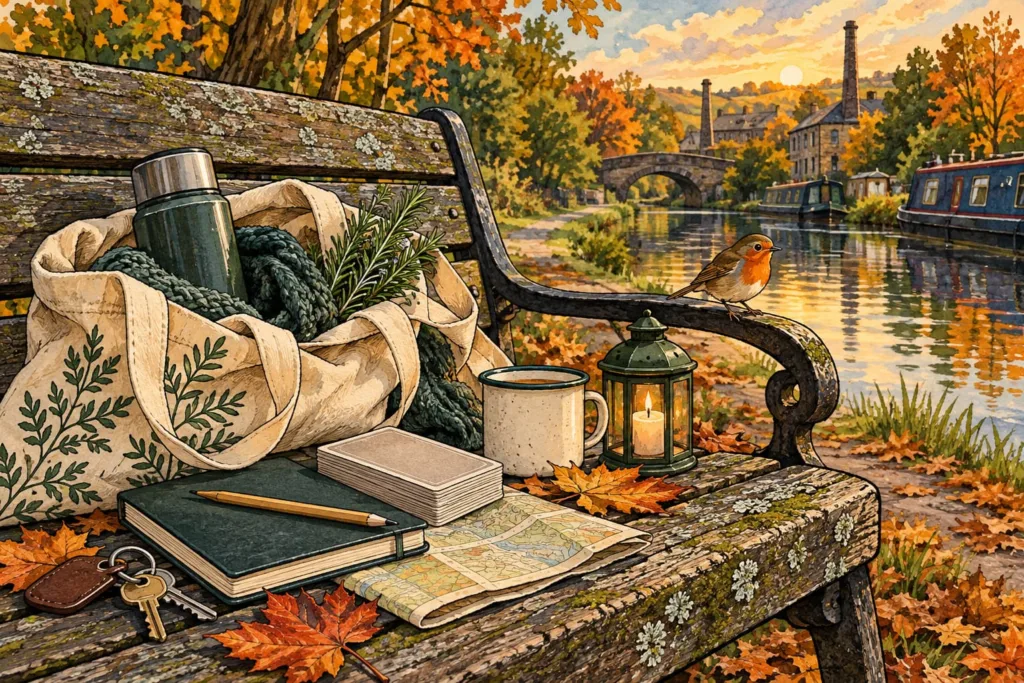
Tools can be lovely: candles, herbs, cards, bowls, jars, a favourite spoon from your kitchen or a stone picked up on a familiar walk. But you do not need an altar that looks like somebody else’s photograph in order to practise.
Start with what you already own. Notice which tools genuinely help you focus and which are simply making you feel behind. An eclectic practice can be beautifully simple: a notebook, a safe candle, a quiet moment and your own attention are more than enough.
Use common sense alongside magic. Keep candles attended, check whether herbs are safe before burning or eating them, and do not treat ritual as a replacement for medical, legal, financial or mental-health support.
Ethics Are Part of the Craft
Ethics do not have to be a set of stern rules written in mysterious handwriting. They are the ordinary questions that help you act with care: Who could this affect? Am I trying to control somebody else? Is this information mine to use? What practical action belongs alongside this ritual?
For many eclectic witches, the answer is to focus on their own choices, protection, healing, reflection, confidence and responsible change rather than attempting to dominate another person’s will.
Let your practice make you more accountable, not less. A spell for clarity is stronger when it is paired with the difficult conversation, the proper research or the boundary you have been avoiding.
Keep a Record and Let It Evolve
A journal or personal grimoire is especially useful for eclectic witchcraft. Keep notes on what you tried, how it made you feel, what you learned about its roots and whether it is a practice you want to return to.
You do not have to record everything perfectly. A few dates, a pressed leaf, a recipe, a dream, a tarot card or a sentence about the moon can be enough. Over time, you will see which threads are genuinely yours and which were only passing interests.
Changing your mind is not a failure. It is often a sign that you are paying attention.
You Do Not Need to Pick a Label Forever
“Eclectic witch” can be a useful label, but it is not a lifelong contract. You may later feel drawn to a specific open tradition and choose to study it more deeply. Or you may remain happily eclectic, with a practice rooted in your own place, values and experience.
Our Beginner Pagan guide explains how Pagan, Wiccan and witchcraft can overlap without meaning the same thing. It may help if you are still working out which words feel right for you.
You are allowed to take your time. The best path is not the one with the prettiest name; it is the one you can practise honestly.
Make It Yours, Keep It Respectful
Eclectic witchcraft can be a thoughtful, flexible way to build a practice—provided you learn with curiosity, give credit where it is due and stay willing to ask better questions. Begin small, keep notes and let your craft grow at the pace of your real life.
And if you ever worry that you are doing it wrong, this reassurance for beginner witches is here for you. There is no prize for rushing.
Handcrafted Tools