From The Grimoire
What If I Get It Wrong? Witchcraft Is Not a Test
Worried about doing witchcraft wrong? Explore mistakes, self-trust and simple practice without treating your spiritual path like an exam.
Table of Contents
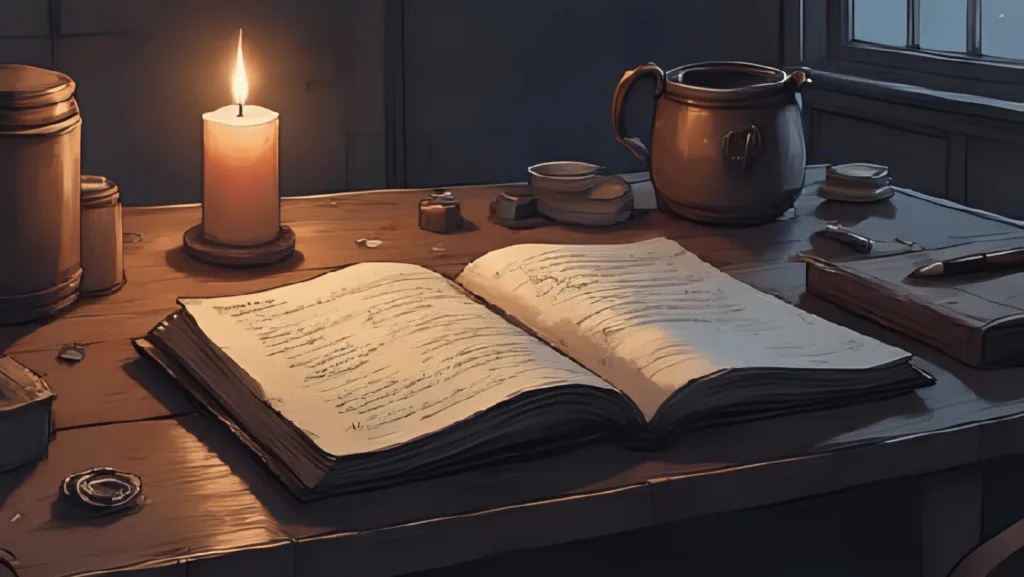
If you’ve ever been halfway through lighting a spell candle and suddenly thought:
“Oh god… what if I’m doing this completely wrong?”
…welcome to beginner witchcraft.
Honestly, most witches have had that moment at some point. Usually while frantically checking whether the moon is waxing or waning and wondering if accidentally buying rosemary from Tesco instead of a mystical herbalist has ruined everything.
Let me reassure you straight away.
Witchcraft is not an exam.
There is no invisible head witch standing behind you with a clipboard and a disappointed expression because you used the wrong coloured candle or forgot a line halfway through a spell.
This is a practice. A relationship. A craft.
And crafts are learned by actually doing them, not by magically becoming perfect beforehand.
Making Mistakes in Witchcraft Is Normal
Every witch I know has:
- forgotten ingredients
- mispronounced things
- knocked herbs everywhere
- used the wrong moon phase accidentally
- set off smoke alarms
- burnt the bloody incense instead of gently lighting it
- improvised halfway through because something didn’t go to plan
And yet somehow the world kept turning.
Magic isn’t some fragile little thing that collapses because you stumbled over your words or sneezed halfway through a protection spell.
Honestly, sometimes the most powerful moments come from the messy imperfect rituals because they’re real. Human. Honest.
If your intention was genuine, the energy was still there.
And if a spell doesn’t work exactly how you hoped? That’s not failure either. That’s learning.
Sometimes witchcraft teaches through success.
Sometimes it teaches through:
“Well. Never doing that again.”
Both count.
There’s No One Right Way
A huge amount of fear around “doing witchcraft wrong” comes from being exposed to too many loud opinions online.
Everybody claims:
- their tradition is the oldest
- their method is the safest
- their correspondences are the correct ones
- their practice is the most authentic
Honestly, if witches spent half as much time relaxing as they do arguing online about candle colours, we’d all be far less stressed.
Witchcraft is deeply personal.
Your practice should reflect:
- your instincts
- your environment
- your experiences
- your energy
- your actual life
Not somebody else’s perfectly curated social media aesthetic.
That spell you scribbled together yourself because it felt right?
Valid.
That weird little ritual you invented while making tea because your intuition nudged you there?
Also valid.
Witchcraft has always adapted. Folk magic especially was built by ordinary people working with what they had available, not waiting for the “correct” imported altar cloth to arrive.
You Can’t Break the Universe
One of the saddest things I see in beginner witches is genuine fear.
People become terrified they’re going to accidentally:
- summon something awful
- curse themselves
- open portals
- anger deities
- destroy their lives because they forgot to cleanse a crystal properly
And honestly? Social media has a lot to answer for there.
Most everyday witchcraft is incredibly low-risk.
Protection spells. Candle magic. Herbal work. Journalling. Moon rituals. Grounding. Intention work. These are gentle practices rooted in focus and symbolism, not instant supernatural chaos buttons.
You are not going to accidentally unleash darkness because you sneezed while lighting incense.
Spiritual hygiene is useful, absolutely. Grounding helps. Cleansing helps. Learning helps.
But fear should not be running your practice.
Respect is healthy.
Panic isn’t.
Doing Witchcraft Wrong Is Part of Learning
You are new.
That’s allowed.
Being a beginner doesn’t make you less magical. It makes you open. Curious. Willing to explore.
Every experienced witch started somewhere.
Every confident tarot reader once stared at a card upside down pretending they understood it.
Every herbalist once Googled whether rosemary and lavender were the same plant.
Every moon witch has confidently announced “full moon energy tonight!” only to discover it’s actually three days away.
Honestly, the best witches tend to stay learners forever.
Curiosity matters far more than perfection.
And beginner energy has its own sort of magic anyway. There’s honesty in it. Wonder. Excitement. Possibility.
Don’t rush to become an “expert” so quickly that you forget to enjoy discovering things.
A Gentle Spell for Self-Trust
Before anything else, take a second to ground yourself properly.
Wiggle your toes.
Relax your shoulders.
Notice where your body touches the chair or floor instead of hovering six feet above your own nervous system worrying about whether your candle jar is spiritually approved.
Then place your hands over your heart and breathe slowly.
Say:
“I am learning.
I trust my path.
My magic is mine to grow.”
That’s enough.
You can light a candle if you want to. Hold a crystal. Sit quietly with a cup of tea. Whatever genuinely helps you settle into yourself.
There is no bonus point for making things more complicated than they need to be.
And honestly, if affirmations feel awkward at first, welcome to being human. Most meaningful things feel a bit awkward before they start feeling natural.
Your Witchcraft Does Not Need to Be Perfect
You are not doing witchcraft wrong because:
- you’re still learning
- you forget things
- your rituals are simple
- your altar is messy
- you doubt yourself sometimes
- you don’t know everything yet
None of that disqualifies you.
Your practice grows through showing up consistently, paying attention and building trust with yourself over time.
Not through perfection.
And honestly? Some of the most magical moments happen in ordinary messy real life anyway. Stirring intention into your tea. Lighting a candle after a difficult day. Standing outside looking at the moon while the cat screams to be let back in.
That counts.
All of it counts.
You’re not doing witchcraft wrong.
You’re doing it your way.
And that’s the entire point.
Final Thoughts
Witchcraft is a practice, not an exam. You are allowed to learn, change your mind, simplify things and make mistakes along the way.
Curiosity and attention will take you much further than trying to perform somebody else’s idea of perfection.
Handcrafted Tools