Grief changes the shape of the world. It is not something you simply “get over”. Over time, life can begin expanding around it, while the love and memories remain part of you.
Witchcraft and pagan practice can offer ways to honour that continuing connection without pretending grief does not hurt or replacing the human support you may need.
Grief Is More Than Sadness
Grief can include exhaustion, anger, numbness, guilt, relief, confusion, longing and tenderness. It often appears in ordinary moments: a song, an old shopping list, a familiar cup of tea. There is no single correct emotional response.
You Do Not Have to Move On Neatly
People can feel pressured to recover, return to normal and stay strong far too quickly. Grief does not work to somebody else’s timetable. Continuing to remember and love someone is not a failure to move forward.
Witchcraft as a Language for Remembrance
Ritual can give grief somewhere to go. Lighting a candle, speaking a name, keeping a meaningful object or sitting quietly with a memory can create a deliberate space for remembrance.
Creating a Grief or Remembrance Altar
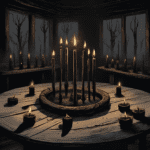
A small remembrance space might include photographs, jewellery, flowers, candles, crystals, feathers, favourite objects or written memories. It does not need to become a shrine to suffering. It can simply be somewhere love still has a place to land.
Speaking Their Name
Silence is not always comforting. If it feels right for you, continuing to speak about the person, tell their stories and use their name can be part of keeping memory and connection alive.
Moon Work and Grief
Some witches use lunar phases as a framework for reflection. New Moons can offer quiet space, Full Moons can mark remembrance, and waning phases can symbolise release. None of this needs to be elaborate. Sitting quietly and allowing feelings to arrive can be enough.
Magic Does Not Replace Support
Grief rituals can be meaningful, but they are not a replacement for counselling, medication, community, practical help or healthcare when those are needed. There is no spiritual failure in needing human support.
Grounding Through the Physical Side of Grief
Grief can affect sleep, appetite, concentration and energy. Grounding can be very ordinary: warm food, water, blankets, rest, fresh air, a slow walk or sitting quietly with a cup of tea.
There Is No Correct Timeline
You are not grieving wrongly because you laughed, felt numb, became angry, had a good week or cried again years later. Grief is not linear. It can move more like tides, weather and seasons.
Love Leaves Echoes
People remain present in stories, recipes, songs, gardens, habits, objects, children and memories. However you understand death spiritually, the effect of a life and a relationship can continue to shape the living world.
Final Thoughts
If you are grieving, move gently. Rest when you need to. Speak their name if that comforts you. Let memories arrive. Laugh when laughter comes and cry without apologising when grief returns.
There is no tidy timetable for love or loss.